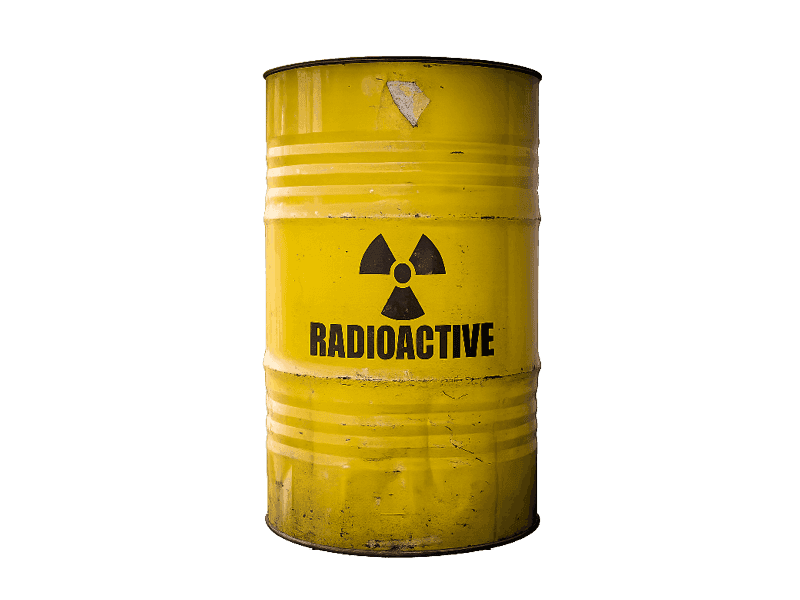
You have seen the images: abandoned 55-gallon drums leaking radioactive waste into the environment.
This is unmarketing.
These yellow barrels never existed, but the images tap into fears of nuclear waste spewing dangerous radiation for thousands of years. Those fears were not accidental. They were stoked to protect incumbent energy systems and suppress a competing power source.
After the Fukushima disaster in 2011, perception worsened further. Many nations rejected nuclear energy. However, many of the perceived problems with nuclear power are actually problems with the first generation of reactors.
The economics of electricity generation are central to the debate. Meeting Net Zero emissions targets requires comparing technologies by energy return on investment.
EROI measures usable energy delivered from a source. It is the key metric for electricity economics. The minimum EROI required to sustain a modern society is around 7:1.
Traditional nuclear energy ranks among the highest, at 8–25:1, rising to roughly 750:1 for advanced nuclear technologies.
One uranium fuel pellet, about the size of a sugar cube, can deliver as much energy as one tonne of coal, 149 gallons of oil, or 17,000 cubic feet of natural gas.
Renewables are not ready to deliver the energy modern civilizations require at scale. Their lower EROI means continued reliance comes with lower standards of living in energy-intensive societies.
A global energy crisis is forcing governments to revisit anti-nuclear policies. This pivot points toward a nuclear renaissance driven by advanced reactor designs.
Advanced nuclear reactors improve safety and efficiency and aim to eliminate meltdown risk. Technologies include molten salt reactors, fast-breeder reactors, high-temperature gas-cooled reactors, and pebble bed reactors.
Nuclear power supplied about 9% of global electricity in 2024, with roughly 440 reactors operating across 32 countries. This is insufficient. The International Energy Agency calls for doubling nuclear capacity to 5,413 TWh by 2040.
The new reactors are safer, more efficient, and complementary to renewables.
The math is simple: without nuclear, Net Zero will remains out of reach forever.